


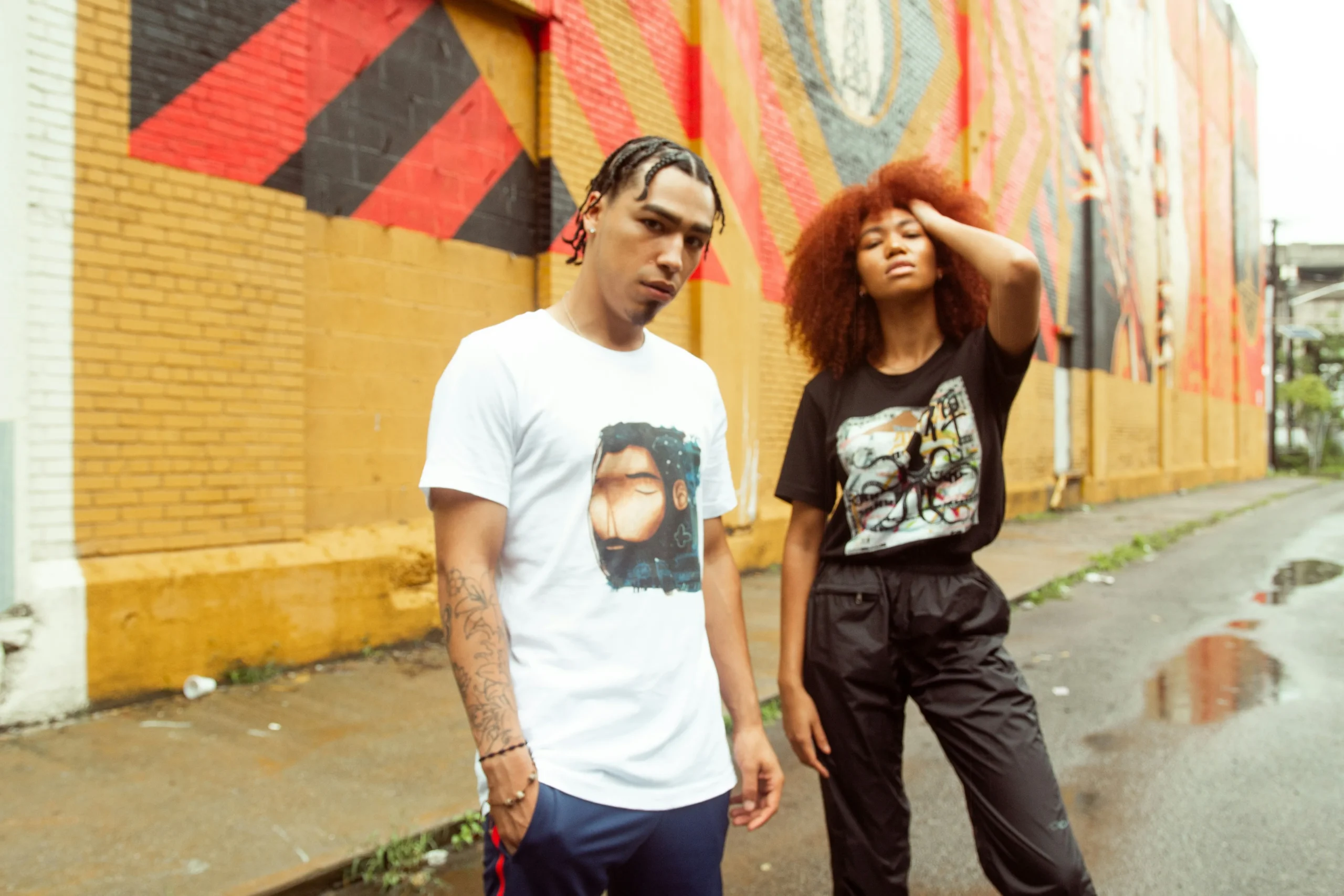
A good graphic t-shirt does something most clothes don’t.
It tells you something about the person wearing it before they’ve said a word. Not the brand. Not the price. The actual image, the typography, the cultural reference, or the deliberate absence of all three. Whether it’s a vintage washed band tee or a minimal one-color print on heavyweight cotton, the graphic t-shirt has always been one of fashion’s most direct forms of communication.
In 2026 that hasn’t changed. What’s changed is everything around it — the silhouettes, the fabrics, the design language, and critically, what buyers expect when they pull something off the rack or add it to cart. The graphic streetwear t-shirt category has matured. Impulse buying has slowed. Customers are checking fabric weight, fit reviews, and durability. They expect merchandise to feel like a real product.
This guide covers what’s actually happening with graphic streetwear t-shirts in 2026 — the design trends worth following, the ones worth skipping, what fabric weight means in practice, and how to wear any of it well.
Why Graphic Tees Never Go Out of Style
Before the trends, it’s worth understanding why the graphic t-shirt has outlasted virtually every other fashion category it’s existed alongside.
From underground streetwear scenes and skate culture to luxury fashion runways and Korean street style, graphic t-shirts have completely evolved into fashion essentials that represent personality, music taste, creativity, and identity.
That breadth of cultural grounding is the answer. A category that simultaneously represents skate culture, hip hop, band fandom, anime, luxury fashion, and political statement doesn’t go out of style because it was never fully in style in the conventional sense. It exists outside trend cycles rather than within them.
The other reason: versatility. Graphic T-shirts are no longer limited to teenagers or streetwear fans. They are worn by a wide range of people. Gen Z uses graphics as personal expression. Millennials lean toward clean and subtle designs. Older audiences prefer calm visuals with good fabric feel. Because many styles are unisex, they work across age groups. This broad appeal keeps graphic tees relevant instead of trend-bound.
When a garment works this well across this many contexts, it doesn’t need a trend cycle to justify its existence. It just is.
The Design Styles Dominating in 2026
Ten different graphic design directions are showing meaningful traction this year. They’re not all equally relevant to every person — which is fine. The point is knowing which one fits your aesthetic before you buy.
Maximalist Back Prints
The fashion landscape of 2026 is witnessing a powerful shift toward visual maximalism. After years of quiet luxury and “clean girl” aesthetics, consumers are reclaiming their individuality through expressive, loud, and unapologetic apparel.
Back-print shirts are one of the clearest expressions of this shift. Bold graphic tees with back prints remain a core staple. Bold colors and high-contrast compositions perform particularly well as social media thumbnails, making them naturally suited to the TikTok-driven discovery loop.
The design logic is different from a chest print. The back gives more real estate and creates a different viewing experience — you see it as someone walks away rather than as a greeting. The visual drama can be higher because there’s no face competing for attention.
Graffiti and Urban Art
Streetwear and graffiti collide in this bold 2026 trend. Designs range from spray-painted text to vibrant murals featuring edgy characters and chaotic compositions. Bright, high-contrast colors, like neon green, orange, and magenta, stand out best against darker fabric.
This direction is the purest expression of streetwear’s origins. Graffiti was never about permission. The graphic t-shirt version carries that same energy — something that looks like it belongs on a wall in a city, not a design studio.
Typography — Oversized and Distorted
Men’s t-shirts graphic trends are also seeing a rise in “maximalist typography.” Instead of small logos, we see oversized, bubbly, or distorted fonts that wrap around the torso. A graphic long-sleeve t-shirt with text running down the sleeves is a staple for streetwear brands this year.
Typography as design is one of the most flexible directions in 2026 because the range is enormous. A single word at 120-point size in the right typeface is a design decision. Distorted lettering that reads almost illegibly is another. Both qualify as typography-led design and both read as current.
Anime and Manga
Anime and manga-inspired designs are taking over in 2026. Fans of this trend love tees featuring iconic characters, intense action scenes, or artistic Japanese kanji. These designs often use vibrant tones like reds, blues, and whites to evoke high-energy visuals. This style works best on oversized tees paired with sneakers and ripped jeans for an effortlessly cool look.
The anime direction stopped being niche in 2022 and hasn’t looked back. In 2026 it’s mainstream enough that luxury brands are licensing anime IP — which usually signals that a cultural wave has crested. Whether that means it’s too late or still accessible depends on which specific references you’re drawn to and how you style them.
Vintage and Y2K
In 2026, the focus is on “Americana reimagined” and Y2K “trash-glam.” Unique graphic t-shirts collections are leaning heavily into faded washes and distressed textures to give new shirts an authentic, lived-in feel.
In 2026, Y2K references — low-rise cuts, baby tees, metallic finishes — sit alongside ’90s sport references like matching tracksuits, modern polo shirts, and sports team graphics.
The vintage direction is the safest long-term investment in graphic tees. A well-executed vintage graphic — the right wash, the right fade, the right print placement — doesn’t date the same way a current-moment reference does. It already looks like it belongs to a specific era, which means it doesn’t need to prove relevance against whatever’s trending next season.
Minimalist Placement
The counter-direction to maximalism. Smaller placements, smarter typography, premium embroidery, and less billboard energy tie directly into minimalist streetwear growth. Neutrals dominate — stone, charcoal, washed black, faded olive — plus one signature color per drop.
A small embroidered graphic on the chest. A single color print at quarter-chest or left-chest position. Minimal typography on the sleeve. These pieces look expensive because they prioritize material and construction over graphic impact. The t-shirt has to be good enough to stand on its own — which means heavyweight fabric, clean seams, and a cut that works without the graphic doing all the work.
Futuristic and Cyberpunk
Futuristic graphic tees are making waves with cyberpunk-inspired designs, glitch art, and holographic effects. Think pixelated patterns, neon circuit boards, or robotic motifs. Metallic hues, electric blues, and purples against dark backgrounds enhance the sci-fi vibe.
This direction pairs naturally with techwear and functional clothing — cargo pants, technical outerwear, utility footwear. The visual language of circuits and glitch effects references a digital culture aesthetic that has roots in gaming and early internet culture and has been consistently present in streetwear since at least 2018.
Fabric Weight — The Conversation That Matters More Than Design
Here’s the thing most graphic tee content skips over.
The design gets you to buy it. The fabric determines whether you still love it in six months.
For graphic t-shirts seeking a premium streetwear look, 200+ GSM (grams per square meter) fabrics are preferred. They provide the structure needed for large, high-density graphics.
High-quality t-shirts are made with heavyweight cotton (220–300 GSM). This provides structure, durability, and a premium feel.
GSM is the number that separates a real product from a promotional item. A 160 GSM t-shirt is what you’d get as a free gift at a corporate event. It’s thin, goes limp after a wash, and doesn’t hold print quality for long. A 220-260 GSM t-shirt has enough body to hold its shape, feel substantial when you wear it, and carry the print quality it was designed with through dozens of washes.
Customers are checking fabric weight, fit reviews, and durability. They expect merchandise to feel like a real product and not promo material.
If a brand doesn’t publish GSM, that’s information. If the price seems too good for the design quality, the fabric is probably how they got there.
Eco-conscious options are now available at competitive price points. Sustainable t-shirts made from organic cotton, bamboo fiber, or recycled fabrics are becoming the norm. These pieces not only look stylish but also reflect conscious fashion choices.
How to Actually Style Them
The styling principles for graphic streetwear t-shirts in 2026 are simpler than most content suggests.
Balance the volume. In 2026, oversized tees are all about balance — pairing loose silhouettes with structured bottoms like cargo pants, jeans, or biker shorts. The result is a laid-back yet intentional look that works for both men and women.
Let the graphic breathe. Your graphic tee does not have to sit next to old jeans to create balance. Neutral bottoms allow you to keep the tee simple and let your graphic shirt really stand out.
Layer deliberately. Try wearing your tee underneath an open button-down shirt — this adds depth. For workwear, try workwear pants or straight-legged chinos in beige, black, or olive.
Match the design energy to the occasion. A maximalist back-print graffiti tee in a work meeting reads differently from the same tee at a weekend market. The graphic t-shirt’s versatility comes with the expectation that you’re reading the room. Context matters.
One statement piece at a time. If the t-shirt is doing significant visual work, the rest of the outfit should be doing less. The pieces that look most considered are the ones where the styling hierarchy is clear — one thing leading, everything else supporting.
For styling inspiration and lifestyle content that connects fashion to urban living and daily identity, UrbanTechDaily covers urban culture, tech, and lifestyle trends with regular coverage of the streetwear and style developments shaping city culture in 2026.
What to Look For When Buying
Three questions worth asking before any graphic tee purchase.
Is the print quality good enough to survive repeated washing? Creating a graphic t-shirt that lasts is just as important as the design itself. DTG and DTF printing have improved significantly — a well-printed tee in 2026 should maintain color and detail through twenty-plus washes without significant cracking or fading. Read reviews specifically about print durability, not just initial impressions.
Does the silhouette work for how you actually dress? An oversized boxy tee looks incredible styled intentionally. It also looks like you grabbed the wrong size if the rest of the outfit isn’t balanced deliberately. Be honest about whether you’ll actually style it well or whether you’re buying the concept more than the garment.
Is the graphic something you’ll still want to wear in two years? The vintage direction ages gracefully. The current-moment cultural reference ages less gracefully. Both have their place — just know which one you’re buying.
For more streetwear styling tips, urban fashion guides, and content on building a wardrobe that reflects genuine personal identity, KreativeByte covers digital lifestyle and creative culture with a practical approach to style that resonates with the authenticity-first direction streetwear is moving in 2026.
Final Thought
The graphic streetwear t-shirt in 2026 is exactly what it has always been. A canvas. A statement. A direct line between the person wearing it and the culture they claim.
Graphic T-shirts have effectively transitioned from being a “trend” to being a permanent part of contemporary clothing. People prefer to wear things that reflect who they are. You can add graphic shirts to your outfit without worrying about going “out of style” by emphasising comfort and genuine art.
That’s the honest summary. Not a trend you need to catch. A category you can invest in whenever something genuinely resonates — because when it does, it always works.
Choose what you love. Get the fabric weight right. Style it with intention.
Everything else follows.

